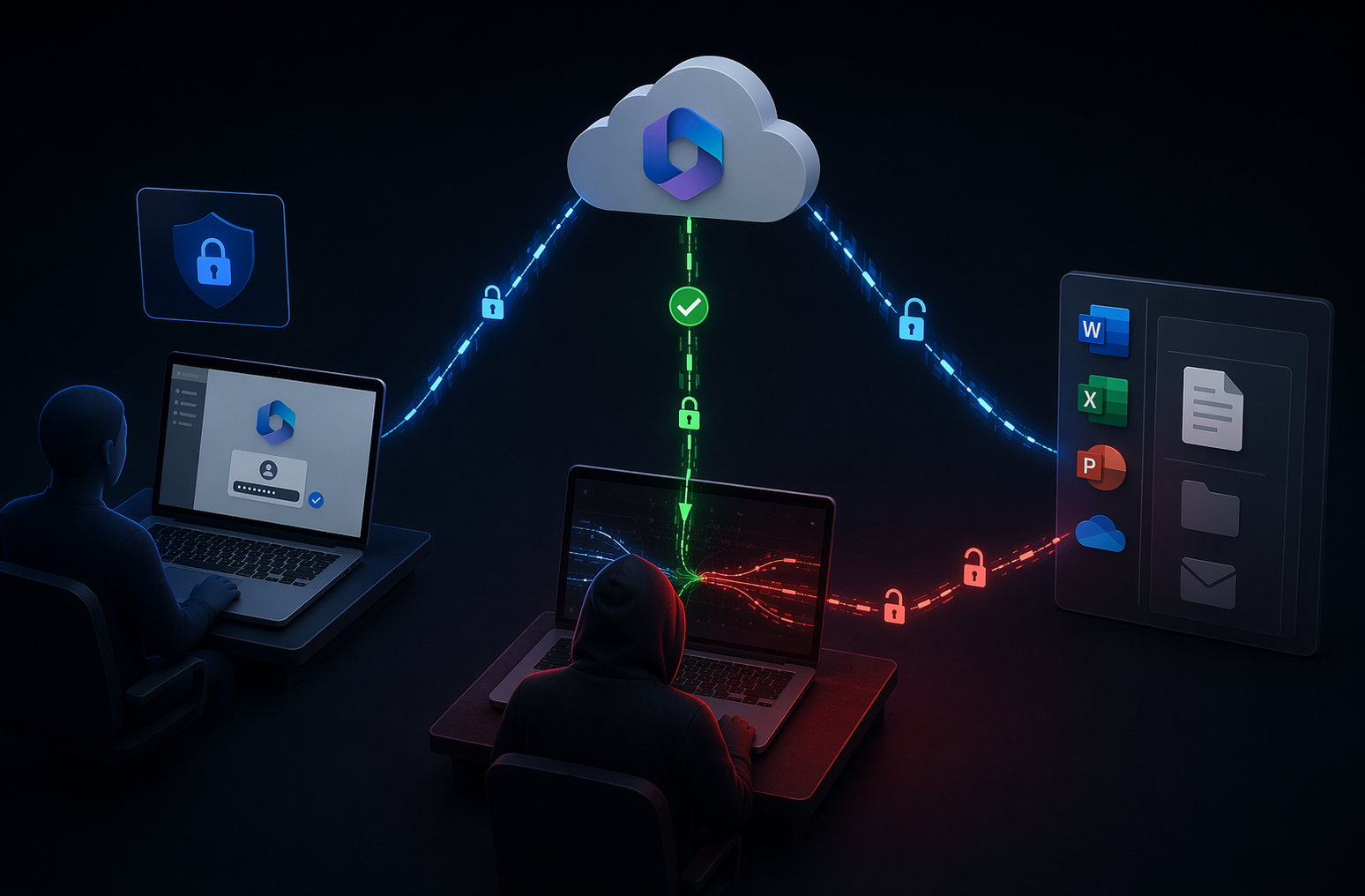
Ransomware usually does not begin with encryption. It begins earlier and often much more quietly. A login succeeds that should not have. A user clicks something they should not have had to deal with in the first place. An old system goes unpatched a little too long. A backup exists, but no one has tested whether it can actually be restored. That is how a lot of ransomware incidents begin. Not with chaos, but with one missed control followed by another.
That is why a good ransomware defense plan is not really about reacting to the moment encryption starts. By then, the situation is already expensive, disruptive, and stressful. A strong ransomware defense plan is about making it much harder for attackers to gain traction in the first place, and much easier for your business to recover if they do. For small businesses, nonprofits, and growing organizations, that matters more than ever. You do not need a bloated security stack or an overcomplicated response process. You need the right protections in the right places, enforced consistently.
Why Ransomware Is So Hard to Stop Once It Starts
A lot of people still picture ransomware as a single event, but it is usually a chain of events. Someone gains access. They move around quietly. They look for elevated permissions, shared storage, weak endpoints, backup visibility, and places where they can do the most damage. In many cases, they also try to access or steal data before encryption ever begins. Once an attacker has established valid access inside the environment, the options get narrower and the response gets more urgent.
That is why the best ransomware defense plan does not rely too heavily on “catching it at the end.” If your strategy depends on stopping ransomware at the moment it starts encrypting files, you are already late in the process. A stronger approach focuses on breaking the chain early. That means reducing the chances of unauthorized access, limiting how far someone can move if they get in, detecting suspicious behavior faster, and making recovery predictable instead of improvised.
What a Good Ransomware Defense Plan Should Actually Do
A practical ransomware defense plan should do four things well:
- Make initial access harder – Attackers should not be able to get in easily with stolen credentials, exposed systems, or weak authentication.
- Limit movement inside the environment – If someone does gain access, they should not be able to roam freely across users, devices, systems, and data.
- Catch suspicious behavior early – Your environment should surface warning signs before the damage becomes widespread.
- Make recovery realistic – If the worst happens, your business should be able to restore operations in a controlled, predictable way.
That is the goal. Not perfection. Not panic. Just a stronger, more dependable baseline.
A 5-Step Ransomware Defense Plan That Actually Holds Up
If you want to build a better ransomware defense plan, these are five of the most important places to start.
Step 1: Strengthen Sign-Ins Before Anything Else
A lot of ransomware incidents still begin with compromised credentials. That is why the first step in a strong ransomware defense plan is making “logging in” harder to fake, harder to intercept, and harder to abuse. A lot of businesses think they are covered here because MFA is technically enabled somewhere, but there is a big difference between having MFA available and having authentication that actually holds up under pressure.
A stronger sign-in posture usually includes:
- MFA enforced across all accounts
- stronger protections for admin accounts and remote access
- removal of outdated or weaker authentication methods
- access controls that challenge or block unusual sign-in behavior
This is one of the fastest ways to reduce preventable exposure.
If attackers cannot get in cleanly, they have a much harder time getting started.
Step 2: Limit Access Before It Becomes a Bigger Problem
One of the most common reasons ransomware spreads so effectively is because users, devices, or accounts have more access than they need. That is where the second part of a good ransomware defense plan comes in: least privilege and separation. In plain terms, that means people should only have the access required to do their jobs, and higher-level privileges should be kept separate from normal day-to-day activity.
A stronger baseline here usually looks like:
- separate admin accounts from standard user accounts
- reduce broad shared access wherever possible
- eliminate shared credentials
- limit powerful tools and elevated access to approved users and trusted devices only
Step 3: Close the Easy Openings Attackers Count On
Attackers still look for the same kinds of weak spots over and over:
- outdated systems
- exposed remote access
- vulnerable internet-facing services
- old third-party applications
- devices that have quietly fallen behind on updates
That is why patching and vulnerability management still matter so much.
A more reliable ransomware defense plan should include:
- defined patch priorities based on severity
- faster response for internet-facing systems and critical services
- coverage for third-party apps, not just Windows or operating systems
- follow-up on failed or incomplete updates
Step 4: Detect Suspicious Behavior Before Encryption Starts
This is where many businesses are thinner than they realize. They may have antivirus, alerts, or even a few monitoring tools but that does not always mean they have meaningful detection. A better ransomware defense plan is not just about collecting alerts. It is about knowing which behaviors should trigger immediate attention before ransomware spreads.
That includes things like:
- unusual login patterns
- unexpected privilege changes
- suspicious file activity
- abnormal endpoint behavior
- signs of lateral movement between systems
This is one of the biggest differences between basic protection and mature protection If suspicious activity is only discovered after users report locked files, the environment is already deep into the problem. Early detection buys time, and in ransomware scenarios, time matters a lot.
Step 5: Build Backups You Can Actually Rely On
This is one of the most important parts of any ransomware defense plan, and one of the most commonly misunderstood.
A lot of businesses technically have backups. Fewer have backups that are:
- isolated well enough
- protected from tampering
- tested regularly
- prioritized for real-world recovery
That difference matters. Because in a ransomware event, the value of your backup strategy is not measured by whether a backup job ran. It is measured by whether you can restore what matters, in the order it matters, without guessing.
A stronger backup and recovery posture usually includes:
- at least one protected or isolated backup copy
- routine restore testing
- clearly defined recovery priorities
- documented recovery sequencing for critical systems and files
If your business has not tested a real restore recently, that is worth addressing before it becomes urgent. Backups should create confidence, not assumptions.
What Small Businesses Usually Miss
One of the most common issues we see is that businesses do not usually fail ransomware readiness in one dramatic area. They fail it in the handoff between areas. Authentication exists, but it is inconsistent. Backups exist, but they are not tested. Monitoring exists, but no one is clearly responsible for what happens next. Devices are managed, but patch visibility is incomplete. Access controls are present, but too broad to be dependable.
That is what makes ransomware so frustrating for many businesses. The issue is often not one missing tool. It is that the protections are not working together as one coordinated system. That is also why a good ransomware defense plan should not feel like a random pile of products. It should feel clear, connected, and manageable.
How to Stay Out of Crisis Mode
The businesses that handle ransomware risk best are usually not the ones doing the most dramatic things. They are the ones doing the fundamentals well and doing them consistently. That means stronger sign-ins, cleaner access controls, dependable patching, useful detection, tested backups, clear ownership and clear response expectations That is what keeps a bad day from becoming a business-wide crisis. You do not need to rebuild everything at once. Start with the weakest point in your current environment, strengthen it, and standardize it. Then move to the next. That is how a ransomware defense plan becomes practical instead of overwhelming.
Ransomware is disruptive enough without having to figure out your defenses in the middle of it. The best time to build a ransomware defense plan is before you need one. Not because every business should live in fear of an attack, but because good preparation creates better outcomes, less downtime, and far fewer expensive surprises. That is what strong IT should do. It should make the hard moments less chaotic, not more.
Quick Answers
What is a ransomware defense plan?
A ransomware defense plan is a practical strategy for reducing the risk of ransomware, limiting how far an attacker can move, and making recovery more predictable if an attack happens.
What is the most important part of ransomware protection?
There is not just one. Strong authentication, limited access, patching, early detection, and tested backups all work together. The strongest protection comes from how those layers support each other.
Can backups alone stop ransomware?
No. Backups are essential for recovery, but they do not prevent attackers from getting in or moving through the environment. They are one part of a complete ransomware defense plan, not the whole plan.
How often should ransomware defenses be reviewed?
At minimum, they should be reviewed annually, and more often when systems, users, or business operations change. High-risk areas like access, patching, and backups should be checked much more regularly.
At Keystone, we don’t just manage IT—we execute. We ensure smooth transitions, rock-solid security, and maximum efficiency so your business can thrive. Let us handle the complexity of IT while you stay focused on what matters most—growing your business.
Contact us today to schedule a consultation and see how Keystone delivers results you can trust.